
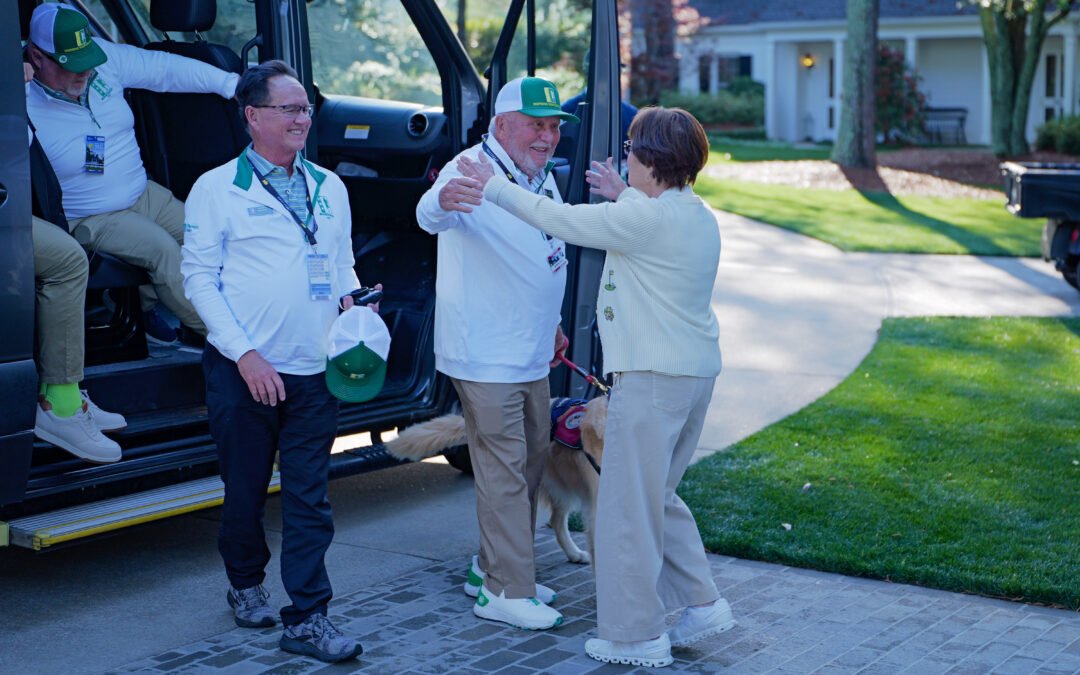
Coming Home Is Not Always Simple
Coming home is not always the end of the hard part. Sometimes it is where a different kind of restoration begins.Return is not alwaysthe same as arrival.
A Warrior can come home and still feel far away.
That is one of the difficult truths many families understand, even if they do not always know how to say it. The calendar may mark the end of a deployment, a season of service, or a long stretch of separation. The bags may be unpacked. The photos may be taken. The welcome may be genuine.
And still, something can feel unfinished.
Coming home is beautiful. It can also be complicated.
For the Warrior, the world he returns to may look familiar but feel different. The people he loves may be the same people, but the rhythm has changed. Children have grown. Spouses have carried more than anyone saw. Parents have worried quietly. Friends have moved forward with lives that did not pause.
For the family, the return can carry its own tension. They are grateful. They are relieved. They may also be tired. They may have learned how to function without saying out loud how much it cost, then found themselves trying to make room again for someone who came home carrying more than luggage.
This is not a failure of love. It is the reality of separation.
Service does not only shape the person who serves. It shapes the people who wait. It shapes marriages, children, friendships, expectations, holidays, finances, habits, and the emotional weather of a home.
Sometimes the hardest part is that everyone wants the return to feel simple. People want the story to resolve at the airport, at the front door, or around the dinner table. They want homecoming to mean the hard part is over.
But healing rarely follows a clean timeline. A Warrior may be physically home before he knows how to be present again. A spouse may be thankful and still unsure how to ask the questions that matter. A child may be excited and confused at the same time. A family may love one another deeply and still need time to find each other again.
This is where isolation can quietly enter the home. Not because people do not care. Often, they care very much. It can grow because everyone is trying to protect everyone else. The Warrior does not want to burden the family. The family does not want to push too hard. Everyone senses there is more beneath the surface, but no one knows exactly how to reach it.
So the house is full, but the distance remains.
The Deeper Pattern
The family should not have to becomethe entire support system.
That distance can be painful. It can also be misunderstood. From the outside, people may assume that home means support is already in place, that family automatically knows what to do, and that love is enough to make every conversation easy.
Love matters. But love still needs language. Love still needs support. Love still needs spaces where people can breathe, listen, and begin again.
At The Warrior’s Journey Golf, we do not pretend that golf solves the complexity of coming home. It does not repair every relationship. It does not erase the hardship of separation. It does not make invisible wounds disappear.
Golf creates room. It gives a Warrior a place to reconnect without making every moment feel heavy. It gives him time with people who understand enough to listen. It gives families and supporters a wider circle around the person they love. It reminds everyone involved that restoration is not usually a single conversation. It is a journey.
Sometimes a Warrior needs space outside the home in order to return to the home more honestly. Sometimes he needs another Warrior to ask the question his family has been afraid to ask. Sometimes he needs to remember that he still has something to give before he can receive what others are offering. Sometimes a family needs to know they are not the only ones carrying the weight of return.
This is why community matters so deeply. No spouse, child, parent, or close friend should have to carry every unspoken wound alone. When a healthy community surrounds a Warrior, it also surrounds the people who love him. That does not remove the work of returning. It makes the work less lonely.
Warrior to Warrior
Coming home is not always simple.No family should walk that road alone.
There is dignity in admitting that coming home can be complicated. It does not dishonor service. It does not diminish gratitude. It does not mean the family is weak or the Warrior is failing. It simply tells the truth. And truth is often where restoration begins.
The long work of returning may include apology, patience, grief, laughter, awkward conversations, new rhythms, repeated invitations, and the humility to start over more than once. It may include learning how to be known again. It may include learning how to ask for help without feeling like a burden.
It may include discovering that the next mission is not only out in the world. Sometimes it begins at the table, in the living room, in the phone call, in the small act of being present with the people who stayed.
Return is not always the same as arrival. But arrival can happen slowly. It can happen through trust rebuilt over time. It can happen when isolation loses its grip. It can happen when a Warrior and the people who love him are surrounded by a community that understands the journey continues after the welcome home.
The Journey Continues
Return is not always the same as arrival.
Help create community around Warriors and the families who love them. Walk with us as restoration continues beyond the welcome home.
Recent Comments